Every family has a history. But how much of yours will your children actually know?
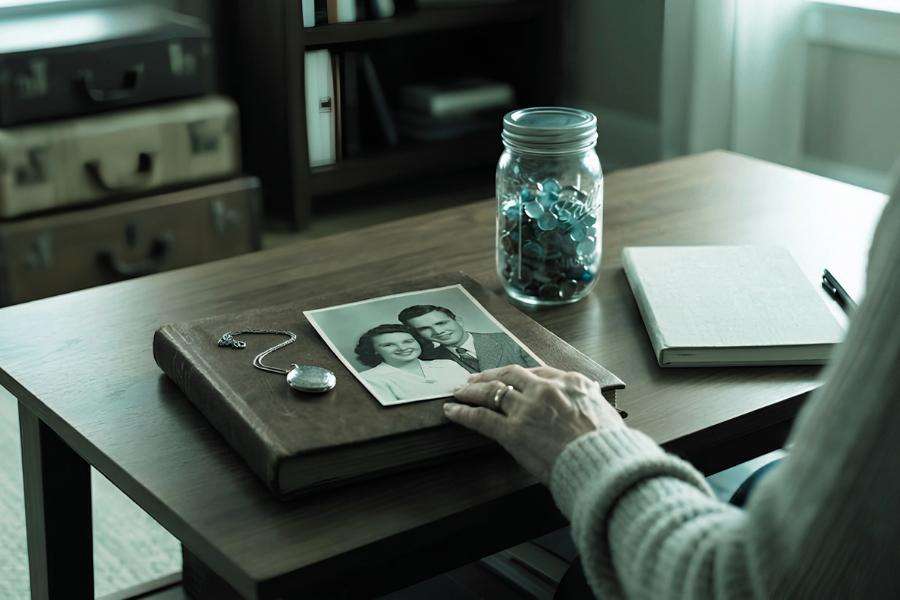
They may inherit a photograph, a piece of jewelry, or a box of souvenirs. But will they know who is in the picture, why you kept the necklace, or what happened on the trip that made that little souvenir worth saving for thirty years?
Those questions belong in the conversation about estate planning. Because passing something down and passing along its meaning require different kinds of preparation.
The Things You Keep Have Stories Your Family May Not Know
In my book, Life Happens. Are You Ready?, I describe my parents’ home. The walls are filled with pictures, and the shelves are filled with keepsakes from their travels. My dad loves buying souvenirs. To my parents, those objects represent experiences, people, and memories.
But if my brother and I had to sort through everything, we would not know the stories behind most of it.
We might not know that a small memento belongs with a friend who shared the trip. We might not recognize the importance of a childhood toy that our parents saved for decades. Something meaningful could end up in a donation box simply because nobody knew why it mattered.
That is a gap a bank statement cannot explain and an account balance cannot fill.
Now imagine those same belongings accompanied by a photograph, a short recording, and a clear explanation of who should receive them and why. Sorting through a lifetime of possessions could become an opportunity to remember, laugh, and understand each other a little better.
Start With One Meaningful Object
You do not need to organize your entire family history in an afternoon. Choose one thing you would hate to see misunderstood or forgotten.
It might be your grandmother’s recipe book, a photograph from your parents’ wedding, a tool your father used, or the toy your child carried everywhere. Sit down with the person who knows its history and ask:
- Where did this come from, and how did it become part of our family?
- Who or what does it remind you of?
- What would you want the next person who owns it to know?
- Who would appreciate it, and why?
With their permission, record the conversation. Take a clear photograph of the object. Write down names, dates, and details while someone can still explain them.
The recording does not need to sound polished. A familiar laugh or the way someone tells a story can be part of what makes it worth keeping.
Give Your Family Context, Then Give Your Wishes Legal Structure
Chapter 9 of my book connects two practical steps: preserving your legacy and creating a personal property inventory. The inventory helps identify important belongings, the stories attached to them, and the people you want to receive them.
A useful starting point is a simple record with five entries for each item: a description, its location, a photograph, its story, and your intended recipient. Keep the records somewhere your family can find and tell a trusted person how to access the recordings.
Invite your family members to make a list of belongings that hold special meaning for them, too. You may discover that a simple keepsake matters more to someone than you ever realized.
Then bring your wishes to your estate planning attorney. At our firm, we provide a personal property memorandum that works with your estate plan to identify who should receive particular belongings. Clients can update their choices by completing a new signed and dated memorandum, destroying the previous version, and keeping the current one with their estate planning documents. Your attorney can explain the instructions that apply to your plan.
The inventory preserves the stories. The personal property memorandum records your wishes. Together, they help your family understand both what you want them to receive and why it matters.
Preserve the Lessons Along With the Keepsakes
Sometimes the most valuable part of an inheritance is the conversation it starts.
A recipe can lead to a story about building a home in a new place. An old photograph can reveal a friendship that helped someone through a difficult year. A worn tool can explain how a parent learned patience, persistence, or pride in doing a job well.
These are opportunities to ask about the choices behind the objects: What was difficult? What would you do differently? What do you hope your children remember?
Our Family Wealth & Legacy Interview is one way we help families begin preserving those conversations. You can also start at home, with one object and a few thoughtful questions.
Make This a Beginning You Can Build On
One of the ideas running through Life Happens. Are You Ready? is that preparation begins with deciding what you want for your family and taking action while you can.
This weekend, choose one keepsake. Learn its story. Preserve it. Then make an appointment to address any gap between your family’s understanding of your wishes and the plan you have actually put in place.
At Family, Wealth & Legacy Legal Solutions, we help families in Oak Brook, Naperville, Downers Grove, and throughout the Chicagoland area connect their estate planning with the people and priorities behind it. Book an introductory call to discuss protecting your family, your wealth, and the legacy you want to leave.
Your family may keep that little souvenir for another generation. Give them a reason to know why.
Frequently Asked Questions
A personal property memorandum is a legally recognized document paired with your will or trust that specifies who should inherit specific tangible personal belongings, such as family heirlooms, jewelry, tools, and keepsakes.
A personal property inventory records the history, photos, locations, and personal stories behind your keepsakes for your family. A personal property memorandum provides the legally binding instructions directing who actually receives those items.
Yes. In most estate plans, you can update your personal property memorandum at any time simply by filling out, signing, and dating a new copy, destroying the old version, and keeping the updated list with your primary estate planning documents.
It is designed for tangible personal property like artwork, family photos, jewelry, furniture, and collectibles. It cannot be used to transfer real estate, bank accounts, stocks, or other financial assets.
About Oak Brook Estate Planning Attorney Michael Biederstadt
Michael Biederstadt founded Family, Wealth & Legacy Legal Solutions with one mission: to keep DuPage County families out of court and out of conflict—and to protect them from life’s most common legal problems: death, disability, and divorce. He is also the author of the book, Life Happens. Are You Ready?, which provides families with actionable guidance on protecting their wealth and legacy across generations.
Michael’s approach is unique because he addresses the intersection of estate planning and family law, ensuring that a client’s legal strategy protects both their assets and their family dynamics. For nearly two decades of practice in the Chicagoland area—beginning in 2007 and expanding through his firm FWLLS, founded in 2023—he has seen firsthand how a lack of integrated planning can unravel even the best intentions.
At FWLLS, Michael leads a comprehensive four-meeting planning process that puts education first. This ensures clients make informed decisions today while benefiting from ongoing three-year review meetings to keep their plans current as their lives evolve. FWLLS works alongside each client’s financial and tax advisors to build a coordinated strategy, not just a set of documents.
FWLLS is located at 17W635 Butterfield Road, Suite 318, in Oakbrook Terrace, serving families throughout Oak Brook, Naperville, Downers Grove, and all of DuPage County. To start the conversation, book a free 15-minute introductory call at fwlls.com/book-a-call or call (630) 233-4223.
You May Also Like
- Communication is Key in Generational Estate Planning
- The Power of a Family Wealth & Legacy Interview: The Importance of Capturing the Stories of Our Loved Ones.
- Building a Legacy Through Charitable Giving
If you found this article helpful, please share it with a friend or neighbor in Oak Brook, Naperville, or the surrounding DuPage County area who may be asking the same questions.
This article is a service of Family, Wealth & Legacy Legal Solutions (FWLLS). At FWLLS, we do not just draft documents — we ensure you make educated, informed, and empowered decisions for yourself and the people you love.